Art: Innovation and Immersion
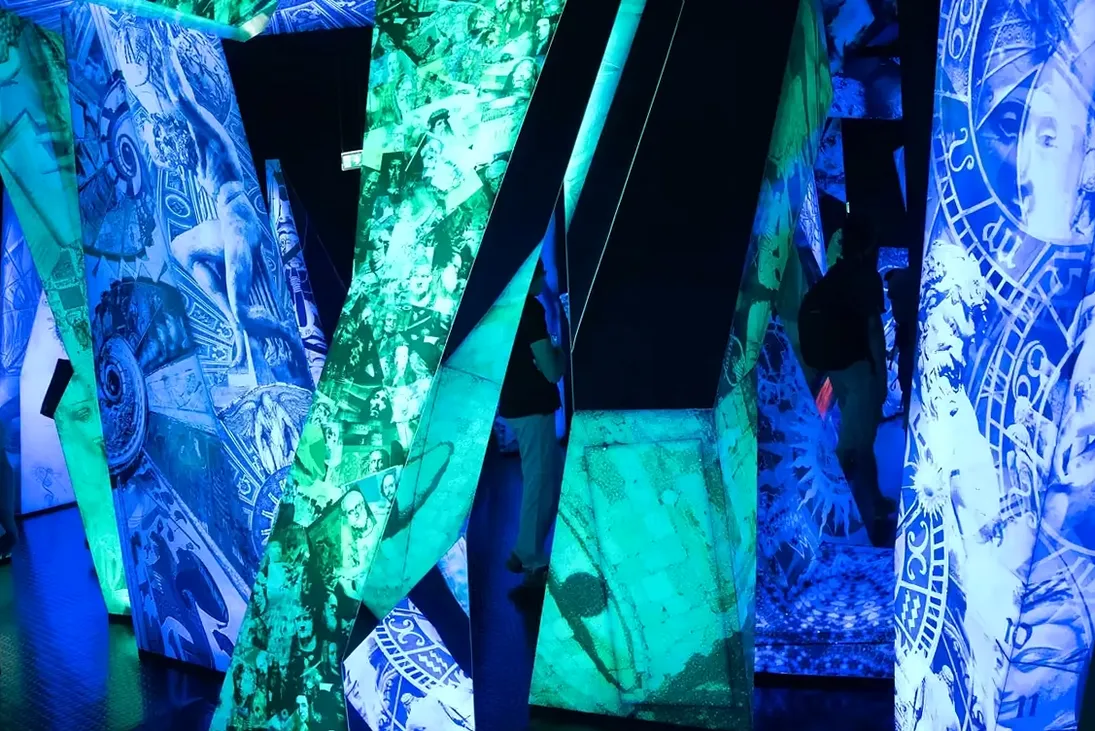
Art has always used the technology of its time, from oil paint to photography and video. Today, digital tools are creating works that visitors can walk through, interact with and even change. Immersive art is drawing new audiences to galleries while raising fresh questions about what an artwork can be.
New forms of creation
- Large-scale projections that turn entire rooms into moving paintings
- Interactive installations that respond to visitors' movement or voice
- Virtual and augmented reality works viewed through headsets or phones
- Generative art produced by code, sometimes with the help of AI
Changing the museum experience
Many institutions now offer hybrid exhibitions that combine physical works with digital layers. A visitor can stand in front of a painting and use an app to see the preparatory sketches, hear about the artist's intentions or follow a restoration in progress. Virtual tours make collections available to people who cannot travel.
Multisensory experiences that combine sound, light and sometimes scent make art more approachable for audiences who may feel intimidated by traditional galleries.
The debates
Not everyone is convinced. Critics argue that some immersive shows favor spectacle over content, or turn masterpieces into backdrops for photos. Questions of authorship are intensifying as AI tools generate images trained on existing works. The market for digital collectibles such as NFTs has also shown how speculation can overshadow artistic value.
For artists, the opportunity is real: new tools expand what is possible and help reach audiences directly. For visitors, the best approach is curiosity combined with a critical eye. The works that last will be those where innovation serves a genuine idea.